Preventative Roofing Upkeep: Tips to Stay Clear Of Costly Repairs
To avoid pricey repair services, you must inspect your roof covering on a regular basis for missing or harmed roof shingles, tidy your seamless gutters and downspouts to avoid obstructions, and trim overhanging branches. These basic steps can significantly extend your roofing's life expectancy, and there's plenty much more you can do to protect your financial investment.
Evaluate Your Roof On A Regular Basis
When you examine your roofing consistently, you can catch potential problems before they end up being costly repairs. Start by inspecting for missing out on, cracked, or curling roof shingles; these are indicators that your roof might require attention.
After a storm, it's crucial to analyze your roofing for damages created by high winds or heavy particles. Don't neglect to examine the bottom of your roof in the attic; appearance for indicators of dampness or mold and mildew, which can show leaks.
Clean Seamless Gutters and Downspouts
Regular roof examinations naturally cause a vital task: cleaning your rain gutters and downspouts. Stopped up rain gutters can trigger water to support, resulting in potential roofing leakages and structural damage. To avoid these problems, make it a practice to check your rain gutters a minimum of two times a year, particularly after heavy tornados or fall when leaves gather.
Do not neglect to inspect downspouts for clogs. If water isn't streaming openly, you may require to utilize a plumbing's snake or a pipe to remove the obstruction.
Address Overhanging Branches
Looming branches can posture a significant hazard to your roof, so it's vital to cut them regularly. Not just can they trigger damages throughout tornados, but they can additionally invite parasites. Make it a habit to evaluate for any indicators of wear or damage to maintain your roof in leading form.
Trim Consistently
Among one of the most essential action in roof maintenance is to cut those branches that hang as well near your home. Overhanging branches can create serious concerns, from debris buildup to potential damages during tornados. Frequently reducing these branches keeps your roof covering clear and reduces the risk of insects and leakages. Make particular to evaluate the health of the trees around your home; weak or dead branches posture an even greater danger. Objective to trim branches at the very least six feet far from your roofline, assuring they won't enter into contact with your shingles. You don't require to tackle this task alone; working with a specialist arborist can assure safe and effective cutting, shielding your roofing and improving your home's general look.
Inspect for Damage
 roof repair
Look for Damaged or Missing Out On Shingles
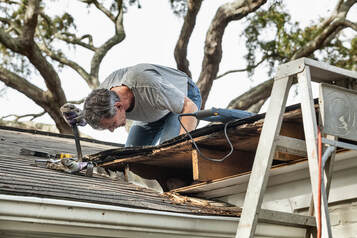
It's crucial to inspect your roof shingles frequently for any type of damage or missing out on items. Change missing roof shingles quickly to stop additional troubles if you detect any type of problems. Additionally, maintain an eye on how the weather impacts your roof covering, as extreme conditions can result in tear and put on.
Inspect On A Regular Basis for Damages
Consistently inspecting your roof for damages is important to keeping its integrity and prolonging its life expectancy. Examine your roofing after hefty tornados or strong winds, as these problems can remove or damage shingles. By making roof examinations a routine component of your maintenance regimen, you can capture troubles early and save on your own from pricey repair work down the line.
Change Missing Roofing Shingles Quickly
After examining for any type of damages throughout your examinations, you may find that some tiles are missing or jeopardized. Do not wait to change them; timely activity can protect against further issues. Missing shingles expose your roofing to wetness, which can result in leakages and even more comprehensive damages over time.
Make sure to use tiles that match your roof's color and design for a seamless appearance. Maintaining your roofing system in leading form is crucial for shielding your home and preventing pricey repairs down the line.
Display Weather Influence Frequently
As tornados roll with your area, maintaining a close eye on your roof covering becomes important. After each storm, take a moment to check your roof covering for any damaged or missing go check shingles. Climbing onto the roof covering isn't constantly required; you can often detect issues from the ground with field glasses.
 roof repair
Ensure Proper Ventilation
While many house owners concentrate on the exterior and architectural elements of their roofings, guaranteeing appropriate ventilation is important for preserving its longevity and effectiveness. Poor ventilation can result in warmth buildup and wetness buildup, which can cause damages in time. Make certain your attic room has enough airflow by mounting soffit vents and ridge vents. This configuration permits a continual flow of fresh air, aiding to manage temperature and minimize moisture levels.
Correct air flow not only boosts your roofing's lifespan yet likewise boosts power effectiveness, maintaining your home comfortable year-round. By taking these actions, you're spending in your roofing's health and wellness and avoiding costly repair services down the line.
Try to find Indicators of Leaks
Correct ventilation helps stop wetness accumulation, however despite excellent air movement, it is essential to watch out for indications of leaks. Beginning by checking your ceilings and wall surfaces for water spots or staining, which can show a leak over. Don't fail to remember to check your attic room for moist areas, mold and mildew, or mold, as these can be very early indication. Search for peeling off paint or bubbling wallpaper, as well; these usually signal dampness breach.
Outdoors, analyze your roofing system for missing out on roof shingles, cracks, or harmed blinking, as these vulnerabilities can lead to leaks. Routinely examining for these indications will help maintain your roofing system's honesty and keep your home completely dry and secure.
Arrange Professional Assessments
 roof repair
Aim for at the very least one inspection annually, preferably in the springtime or loss, to straighten with seasonal changes. Throughout these evaluations, experts can determine potential dangers like missing shingles, deteriorated flashing, or indications of mold. They'll also examine for particles accumulation that can bring about water pooling.
Do not wait for visible indications of problem; taking positive steps can expand your roof's life expectancy. Buying normal evaluations not only secures your home however also gives you comfort understanding your roof remains in great condition.
Regularly Asked Concerns
How Usually Should I Do Roof Covering Inspections?
You must execute roofing system examinations at the very least twice a year, preferably in spring and loss. Regular checks help you identify possible concerns early, conserving you time and money on pricey fixings down the line.
What Devices Do I Need for Roof Covering Upkeep?
For roof covering upkeep, you'll need a sturdy ladder, safety belt, roof covering nails, a hammer, an utility knife, caulk, a trowel, and a flashlight. Do not neglect gloves and safety goggles to keep on your own safeguarded!
Can I Clean My Roofing System Myself?
Yes, you can cleanse your roofing system on your own. Simply ensure you have the right tools, put on security gear, and adhere to appropriate techniques. It's important to be mindful to stay clear of accidents and assure reliable cleansing.
Just How Can I Determine Roofing Leaks Early?
To recognize roofing leakages early, you'll wish to examine your roofing system on a regular basis. Search for water spots, mold and mildew, or missing shingles. Listen after heavy rainfall, and do not be reluctant to inspect the attic for damp areas.
What Are the Indications I Need a New Roofing?
You'll require a new roof covering if you observe crinkled or missing out on shingles, persistent leaks, or water stains on ceilings. Furthermore, if your roof's age exceeds twenty years, it's a good idea to ponder replacement earlier as opposed to later on.
To avoid expensive fixings, you must check your roof covering frequently for missing out on or damaged shingles, tidy your gutters and downspouts to prevent clogs, and trim overhanging branches. Missing roof shingles subject your roof to moisture, which can lead to leakages and even more substantial damages over time.
After each storm, take a moment to inspect your roof for any kind of damaged or missing out on roof shingles.Outdoors, examine your roof covering for missing roof shingles, fractures, or damaged blinking, as these vulnerabilities can lead to leaks.To recognize roofing leakages early, you'll want to evaluate your roofing system regularly.